
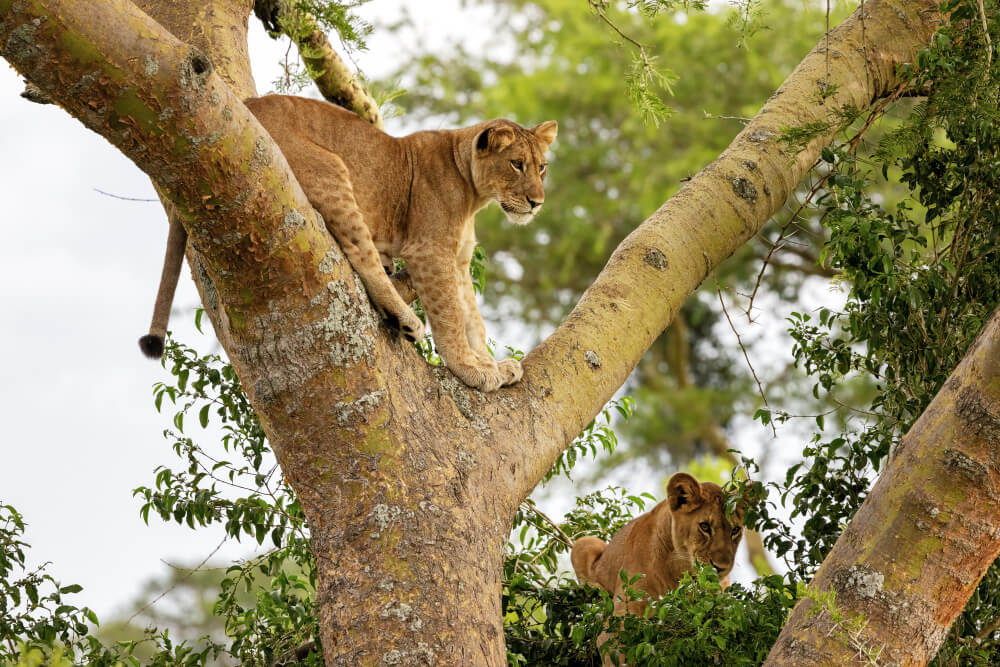
Gorilla Habituation Experience
The gorilla habituation experience is designed for travellers who want more time in the forest and a deeper understanding of gorilla research. It involves a longer tracking day and more…
Gorilla Habituation Uganda Experience is one of the experiences travellers can build into a Curated Wild Safaris journey across Uganda, Rwanda, Kenya and Burundi. The gorilla habituation experience is designed for travellers who want more time in the forest and a deeper understanding of gorilla research. It involves a longer tracking day and more time with a gorilla group under habituation. The activity works best when it is planned around the right destination, enough time on the ground and realistic expectations about weather, wildlife and local conditions. This guide explains what the experience involves, where it fits best, how to prepare and how to combine it with the rest of your safari without making the itinerary feel rushed.
Gorilla Habituation Uganda Experience: what the experience is really like
The day starts early with researchers and guides. Rather than simply locating a fully habituated group, visitors may follow the process of tracking, monitoring and observing gorillas that are still becoming accustomed to human presence. The experience is slower, more detailed and physically demanding. A good guide makes a major difference because the value of the activity comes from interpretation, timing and understanding the setting rather than simply reaching a viewpoint or ticking off a species. Curated journeys should leave enough time for the experience to unfold naturally, including briefing time, transfers to the starting point and a relaxed period afterwards.
One of the most useful ways to plan this activity is to think about pace. Travellers often try to fit too many experiences into the same day, especially when moving between parks or countries. A stronger itinerary gives the activity a clear place in the day, avoids unnecessary late transfers and leaves room for weather, wildlife movement or local operational changes.
Where to do this activity
Uganda offers the best-known gorilla habituation experience in the southern sectors of Bwindi Impenetrable National Park. The activity is more specialised than a standard gorilla trek and permit availability is limited. The right location depends on your wider route, travel dates and how much time you have. A destination that looks close on a map can still involve a long transfer because roads, border crossings and park access points vary.
When this activity is a major reason for travelling, it is usually worth spending at least two nights in the surrounding area. That reduces pressure on the activity day and gives you more flexibility if the programme begins early. For a broader route, consider linking the experience with Bwindi Impenetrable National Park. This keeps the internal journey logical and avoids repeating similar environments every day.
Best time to plan the experience
The activity runs throughout the year, but trail conditions are often easier in relatively drier periods. Rain can fall at any time in Bwindi, so equipment should always be chosen for wet forest conditions. Rather than choosing travel dates from a single generic ‘best time’ chart, think about trail conditions, wildlife movement, visibility, visitor numbers and the other destinations on your route. Weather can vary significantly by altitude and region, even within the same country.
Morning activities are often attractive because temperatures are cooler and light is softer. Afternoon sessions can still be excellent, especially where the experience is less dependent on wildlife movement. If photography is important, ask how the orientation of the site, forest or landscape affects light at different times of day.
Fitness, comfort and accessibility
A moderate to good level of fitness is recommended. Tracking can involve long periods on steep or muddy trails, and the total time in the forest can be considerably longer than a standard trek. It is better to be realistic about mobility before booking than to force yourself through an activity that does not suit you. Where alternatives exist, guides can often adjust pace, route length or starting points, but this should be discussed before arrival.
Comfort also depends on small practical choices. Proper footwear, enough drinking water, suitable clothing and a light daypack can make a major difference. Travellers who are unsure about a particular activity should ask for a clear description of walking distance, terrain, altitude, vehicle time and toilet access before confirming the itinerary.
What to pack
Keep equipment practical. Carrying too much can make an otherwise enjoyable activity tiring. A useful starting list is:
- Strong waterproof hiking boots
- Rain protection that packs small
- Long trousers and sleeves
- Two litres of drinking water
- Packed lunch and energy snacks
- Gardening gloves
- Camera equipment protected from moisture
Specialist equipment should only be added when it genuinely improves the experience. For example, a large camera lens is useful on some wildlife activities but can be unnecessary on cultural visits or short forest walks. Protect electronics from rain, dust and humidity, and keep important medication in your daypack rather than checked luggage.
How to prepare before the activity
The most useful preparation is simple and practical:
- Reserve the permit well in advance
- Sleep close to the correct bwindi sector
- Prepare for a full day in the forest
- Hire a porter even if you normally travel light
- Keep the day after the experience reasonably flexible
Read the briefing information before the day itself and tell your guide about health concerns, mobility limits, dietary needs or photography priorities. Good safari planning is easier when the guide knows what matters to you before the vehicle leaves the lodge.
Photography and responsible travel
Photography should never interfere with wildlife, local people or the safety of the group. Follow instructions about flash, distance, movement and where you may stand. When people are part of the experience, ask before taking close portraits and avoid turning normal daily life into a staged photo session.
Responsible travel also means respecting park rules, keeping noise low, carrying out waste and supporting local guides, porters, community enterprises and conservation programmes where appropriate. A well-run experience should benefit the place you are visiting rather than simply extract a photograph from it.
How long should you allow?
The activity itself may take only a few hours, but the complete day can involve briefings, transfers and waiting time. Build the itinerary around the full experience rather than the advertised activity duration alone. If the start is early, staying nearby the night before is normally more comfortable than beginning with a long transfer.
For travellers combining several countries, route efficiency becomes even more important. Border crossings, domestic flights and road transfers should support the experience rather than dominate the holiday. A shorter itinerary with better sequencing is often more rewarding than a longer list of places visited quickly.
Combining this activity with a wider safari
This experience becomes more satisfying when it is contrasted with a different type of day. Forest activities pair well with open savannah, active adventures work well before a relaxed lake stay, and wildlife viewing benefits from occasional cultural or scenic breaks. For a ready-made route, see the 4 Day Double Gorilla Trek in Uganda, which can be adjusted around your preferred pace and interests.
Try to avoid repeating the same style of experience on consecutive days unless it is the main purpose of your journey. A strong safari often alternates active mornings, slower afternoons, wildlife viewing, local encounters and comfortable travel time.
Who this activity suits
This activity can suit first-time visitors as well as experienced safari travellers, but the right version depends on your interests. Couples may prefer a private or slower arrangement, families need age-appropriate options, photographers benefit from better positioning and extra time, while active travellers may want longer routes.
Tell Curated Wild Safaris what you actually enjoy rather than choosing activities because they appear on every safari list. The best itinerary is the one that matches your pace, curiosity and comfort level.
Practical questions before you book
Do I need to book in advance?
For permit-based, specialist or capacity-limited activities, advance booking is strongly recommended. More flexible experiences can often be arranged closer to travel, but confirming early gives you a better choice of dates and guides.
Can this activity be private?
Some activities can be arranged privately while others operate under park or permit rules that place travellers into small groups. Ask in advance if privacy is important to you, especially for photography, family travel or special occasions.
What happens if weather changes?
Weather is part of travel in East Africa. Light rain rarely stops every activity, but safety always comes first. Good itineraries keep enough flexibility to adjust timing, change the order of activities or use an alternative where necessary.
Planning Gorilla Habituation Uganda Experience with Curated Wild Safaris
Gorilla Habituation Uganda Experience works best when it is treated as part of a complete journey rather than an isolated booking. Curated Wild Safaris can match the experience with suitable accommodation, realistic transfer times and other activities that complement it. The goal is to create a trip that feels balanced from arrival to departure, with enough depth in each destination and enough breathing room to enjoy where you are.