
4 Day Double Gorilla Trek in Uganda
A four-day Uganda gorilla journey for travellers who want two trekking permits and two separate mountain gorilla encounters rather than a single short visit.
Plan this journeyDesigned around the way you want to experience Africa.
Two gorilla treks give you a better appreciation of how different groups, forest sectors and tracking days can feel. One trek may involve a long climb and active gorillas, while another may be shorter with more relaxed viewing. Permit allocation determines whether both treks are in the same sector or whether the route uses different southern Uganda areas.
Wild moments worth travelling for.
Two separate gorilla trekking permits
More time in mountain gorilla habitat
Opportunity for different gorilla families
Photography across two encounters
Highland forest scenery
Your journey, at a considered pace.
Use this itinerary as a starting point. Every detail can be adjusted around your interests, dates and preferred pace.
Double Gorilla Trek Uganda is designed as a practical, flexible journey rather than a rigid checklist. A four-day Uganda gorilla journey for travellers who want two trekking permits and two separate mountain gorilla encounters rather than a single short visit. The day-by-day plan below gives the intended flow, but wildlife movement, weather, permit allocation, road conditions and flight schedules can require sensible adjustments. Curated Wild Safaris keeps the important experiences protected while allowing the guide to make small changes that improve comfort and time on the ground.
Day-by-day itinerary
Day 1: Travel to the gorilla region
Drive or fly towards southwestern Uganda and reach the correct trekking sector before evening. Review permit allocations and equipment with your guide. Your guide will confirm the practical timing the evening before, including departure time, clothing, meals and any permits or identification you need to carry. The aim is to give the main experience enough time rather than making the day depend on an unnecessarily tight schedule.
Day 2: First gorilla trek
Complete the first trek with rangers. Pay attention to forest conditions and how you feel physically so the second day can be paced appropriately. Your guide will confirm the practical timing the evening before, including departure time, clothing, meals and any permits or identification you need to carry. The aim is to give the main experience enough time rather than making the day depend on an unnecessarily tight schedule.
Day 3: Second gorilla trek
Return to the forest for a second gorilla encounter, potentially with a different family or sector depending on permit allocation. The day often feels very different from the first. Your guide will confirm the practical timing the evening before, including departure time, clothing, meals and any permits or identification you need to carry. The aim is to give the main experience enough time rather than making the day depend on an unnecessarily tight schedule.
Day 4: Return or continue
Leave the gorilla region after breakfast and return to Entebbe, Kigali or continue into Queen Elizabeth National Park according to the final route. Your guide will confirm the practical timing the evening before, including departure time, clothing, meals and any permits or identification you need to carry. The aim is to give the main experience enough time rather than making the day depend on an unnecessarily tight schedule.
How this journey is paced
This 4 days itinerary is classed as challenging because the pace combines travel with the activities shown above. It is particularly suited to gorilla enthusiasts, photographers, repeat safari travellers. Where a difficult trek or long wildlife day is included, the following period is kept lighter whenever the route allows. That balance is important in East Africa, where short map distances can still involve mountain roads, park tracks or border formalities.
We avoid repeated one-night stays unless they solve a genuine route problem. Two or three nights in an important destination usually gives better wildlife viewing, more flexibility for weather and a calmer experience at the lodge. If you prefer an even slower journey, extra nights can be added without changing the core route.
Best time to travel
The journey can be planned for Year-round. The months most commonly chosen for this route are June–September and December–February. These are guidelines rather than guarantees. Rainfall varies between forest, highland, lake and savannah areas, and wildlife does not follow a fixed timetable.
Drier periods can make trekking and remote roads easier, while greener months often bring fresh landscapes, strong birding and lower visitor numbers. For permit-based activities, availability can be more important than weather, so we normally check permits before confirming non-refundable accommodation.
Transport and road time
Private 4×4 transfer. Travel days are part of the safari, but they should not dominate it. We plan realistic departure times, comfort stops and border or airstrip margins. Where a domestic or regional flight saves a full day of driving, it can be added or retained in the itinerary. Where the road journey passes through useful scenery and villages, driving can be the better choice.
Meals and dietary needs
Breakfast and lodge meals based on the selected property. Exact meal inclusions are confirmed with the final accommodation selection. Vegetarian diets, food allergies, religious dietary requirements and children’s meal needs should be shared before travel so lodges can prepare properly. On early trekking or full-day wildlife days, breakfast may be served early and lunch may be packed.
What to pack for this safari
- Lightweight neutral clothing for game drives and road travel.
- A warm fleece or light jacket for early mornings and highland evenings.
- Comfortable closed shoes; waterproof hiking boots for gorilla or chimpanzee trekking.
- Compact rain jacket, especially for forest and mountain areas.
- Sun hat, sunscreen and reusable water bottle.
- Binoculars and camera equipment with spare batteries and memory cards.
- Personal medication, travel documents and insurance details in hand luggage.
- Soft-sided luggage if the itinerary uses light aircraft.
Health, fitness and age considerations
The listed minimum age for this journey is 15. This is especially important where gorilla or chimpanzee permits have age rules. Travellers should tell us about mobility limitations, serious medical conditions or concerns about trekking before booking. Porters can often make forest days more comfortable, but they do not remove the need to walk on uneven ground.
Travel insurance should cover the activities in your itinerary and any regional flights. Carry essential medicine with you rather than in checked luggage, and follow current health advice for the countries included in the route.
Responsible safari travel
Curated asks guests to follow ranger and guide instructions, keep wildlife encounters quiet, avoid litter and respect local communities. For primate trekking, health and distance rules protect animals that are vulnerable to human illness. On game drives, responsible positioning is more important than forcing a close photograph.
Community and cultural activities are chosen for interpretation and local involvement rather than staged photography. Ask before taking close portraits and support local makers directly when you choose to buy crafts or food products.
Internal route connections
Before booking, read more about Mgahinga Gorilla National Park so you understand the landscape, access and seasonal conditions. You can also review our guide to gorilla trekking for practical preparation before the activity. These two pages help explain why the journey is paced the way it is.
Frequently asked questions
Can this itinerary be changed?
Yes. The route can be adjusted for different accommodation levels, extra nights, private flights, family needs, photography priorities or a slower pace. Permit dates and some scheduled flights are fixed once booked, so changes are easiest before deposits are paid.
Is the journey private?
The standard Curated arrangement uses private ground transport for your booking, with a suggested maximum group size of 6. Some regulated activities, such as gorilla trekking or scheduled boat trips, may place you with other visitors according to park rules.
When should I book?
For gorilla permits, chimpanzee permits, peak migration months and small lodges, early booking is strongly recommended. If your dates are flexible, we can first check the best permit and accommodation combination and then build the route around confirmed availability.
Planning Double Gorilla Trek Uganda with Curated Wild Safaris
Double Gorilla Trek Uganda is most rewarding when the transport, accommodation and activities are planned together. Curated Wild Safaris can change the lodge level, add domestic flights, extend individual destinations or link the journey with another country. The published itinerary is a strong starting point, but the final version should fit your dates, interests and preferred pace.
Accommodation strategy for this route
Accommodation on this itinerary should be chosen around the actual route through Bwindi Impenetrable National Park, Mgahinga Gorilla National Park, not simply by picking the most attractive lodge photographs. For permit-based activities, the correct trekking sector or departure point matters because an unsuitable lodge can add hours to an already early morning. For wildlife areas, staying inside or close to the park can make early drives easier, while a property farther away may work if it provides a special setting or fits the transfer route. Curated can use comfortable mid-range lodges, smaller character properties or premium stays without changing the essential structure of the journey.
When comparing properties, consider room layout, access, meal times, laundry, charging facilities, road conditions and how much time you will actually spend at the lodge. A one-night stay usually needs convenience, while a two- or three-night stay can justify a property with stronger views, a pool, spa, walking opportunities or other facilities. Families may need connected rooms, couples may value privacy, and photographers often benefit most from locations that reduce travel time before sunrise.
What makes this itinerary work well
The main experiences on this route include Gorilla Trekking. They are placed in an order that limits unnecessary backtracking and protects the most important days from avoidable delays. That structure also allows the guide to respond to real conditions on the ground. A wildlife drive can start earlier if recent sightings are promising, a forest day can be followed by a slower afternoon, and a border or flight connection can be given a larger margin when needed.
Travellers often enjoy a safari more when they know which days are fixed and which are flexible. Permit dates, scheduled flights and some boat departures are fixed once confirmed. Game-drive routes, picnic stops, cultural visits and lodge downtime can usually be adjusted more easily. Curated uses that flexibility to keep the journey comfortable without changing the experiences that made you choose the trip in the first place.
The practical details, kept simple.
Included
✓ Private transport
✓ Driver-guide
✓ Two gorilla permits when confirmed
✓ Accommodation
✓ Meals shown in final itinerary
✓ Drinking water
Not included
— International flights
— Visa
— Insurance
— Tips
— Porters
— Optional community activities
— Personal expenses
Journey notes
• Breakfast and lodge meals based on the selected property.
• Private 4x4 transfer.
• Minimum age: 15
• Maximum group: 6
Plan this journey around you.
Tell us your travel dates, group size and the experiences you would like to include. Our team will help shape the journey around you.
Plan Your Safari
More journeys you may like.
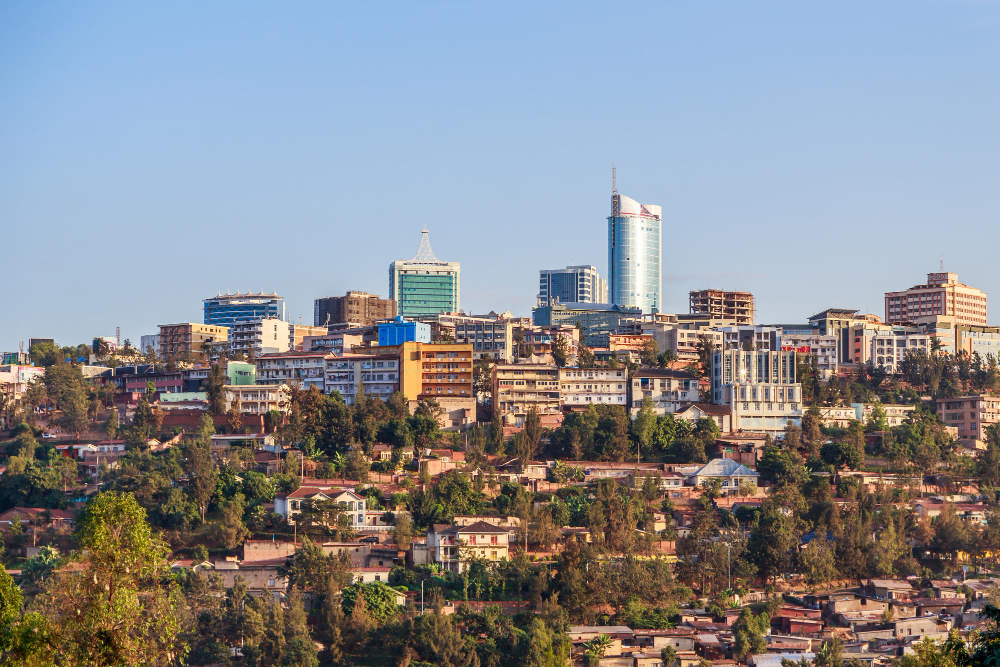 6 Days / 5 Nights
6 Day Rwanda & Burundi Cultural Journey
Bujumbura · Gishora Drum Sanctuary
6 Days / 5 Nights
6 Day Rwanda & Burundi Cultural Journey
Bujumbura · Gishora Drum Sanctuary
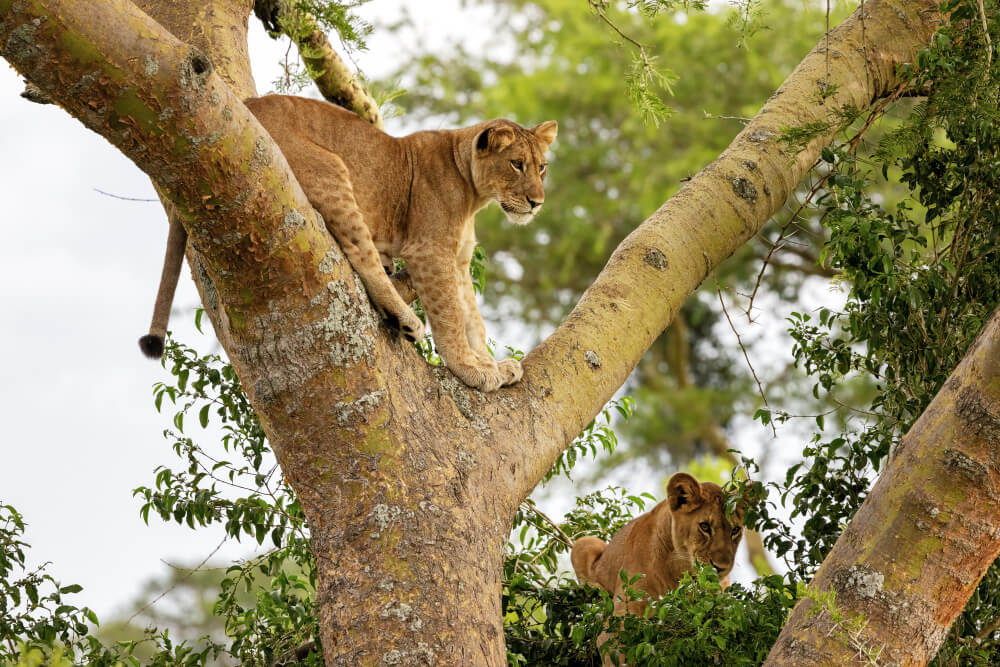 7 Days / 6 Nights
7 Day Bwindi Gorillas & Queen Elizabeth Wilderness
Bwindi Impenetrable National Park · Queen Elizabeth National Park
7 Days / 6 Nights
7 Day Bwindi Gorillas & Queen Elizabeth Wilderness
Bwindi Impenetrable National Park · Queen Elizabeth National Park
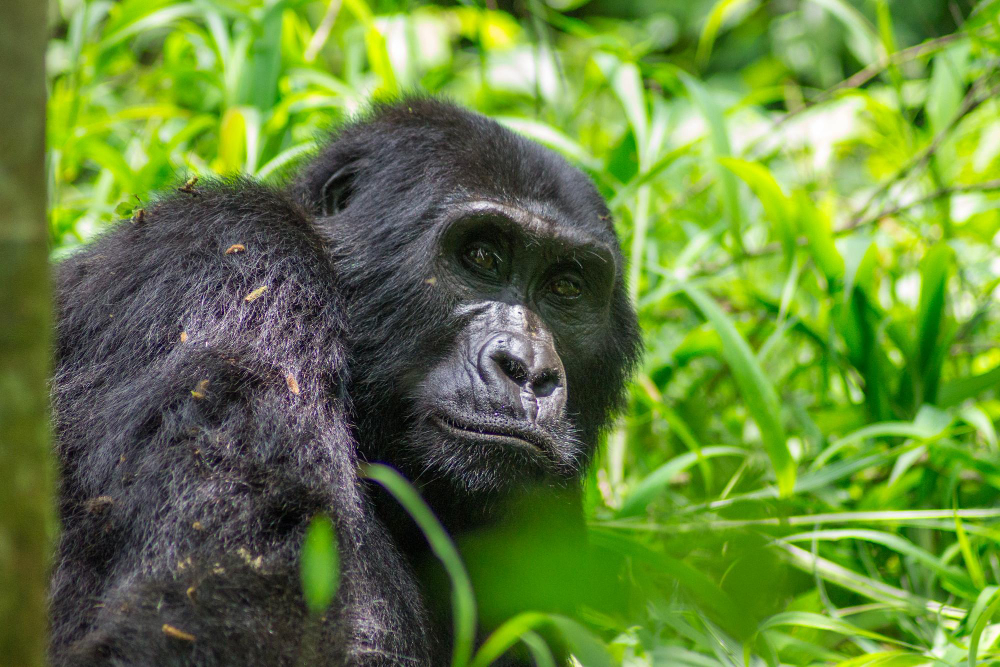 3 Days / 2 Nights
3 Day Bwindi Gorilla Trek
Bwindi Impenetrable National Park
3 Days / 2 Nights
3 Day Bwindi Gorilla Trek
Bwindi Impenetrable National Park