
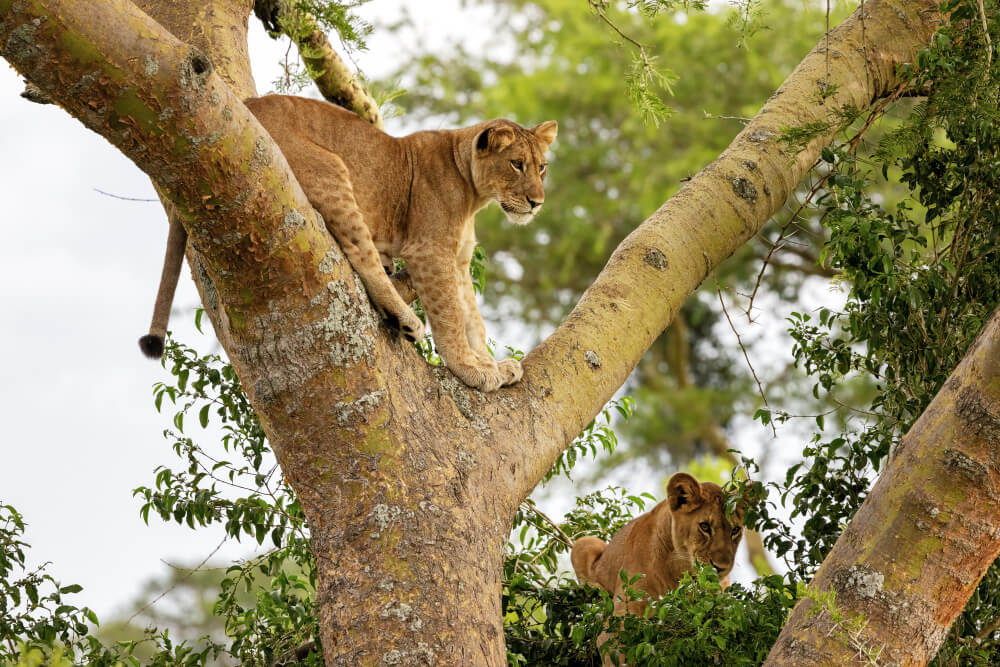
Samburu National Reserve
Samburu National Reserve offers a different side of Kenya, with dry northern scenery, riverine habitat and wildlife species associated with the region. It suits travellers who want variety beyond the classic southern…
Samburu Wildlife Safari Kenya is a useful way to understand what makes Samburu National Reserve worth adding to a carefully planned East African journey. Located in northern Kenya, the destination is defined by semi-arid plains, rocky hills and riverine woodland along the Ewaso Ng’iro River. It is best known for northern-speciality wildlife, river-based game viewing, dramatic dry-country scenery, and cultural context in Samburu country, but the strongest visit comes from understanding how these experiences fit together instead of trying to collect them in a hurry. This guide explains what to prioritise, how long to stay, when to travel, how to reach the area and what to combine with it. It is written for travellers who want practical information before choosing a route, lodge or activity.
Why Visit Samburu National Reserve?
Samburu National Reserve stands out because of semi-arid plains, rocky hills and riverine woodland along the Ewaso Ng’iro River. That setting shapes the pace of the safari and the type of activities that make sense here. The main reasons to visit are northern-speciality wildlife, river-based game viewing, dramatic dry-country scenery, and cultural context in Samburu country. These experiences work best as parts of one journey rather than isolated attractions. A morning may focus on wildlife or an active excursion, while the afternoon can reveal scenery, local life or a different habitat. The destination is particularly suitable for repeat safari travellers, photographers and visitors interested in dry-country wildlife and landscapes, and it combines naturally with Laikipia, Mount Kenya and longer Kenya circuits. That makes it useful both as the main purpose of a trip and as one well-chosen stop in a longer regional itinerary.
Samburu Wildlife Safari Kenya: Signature Experiences
The strongest experiences here are northern-speciality wildlife, river-based game viewing, dramatic dry-country scenery, and cultural context in Samburu country. Which deserves the most time depends on your interests, season and overall route. A photographer may want longer, slower sessions, while a family may prefer shorter activity blocks with more rest. Active travellers can often add walking or hiking, while visitors seeking a gentler pace can focus on viewpoints, vehicle-based activities or time at the lodge.
Plan for quality rather than quantity
Wildlife viewing improves when the itinerary is not rushed. Early mornings and late afternoons are often productive, but interesting encounters can happen at any time. A private guide can adjust the day around weather, animal movement and your interests. Binoculars are valuable even for travellers carrying a long camera lens. Instead of squeezing every available option into one day, choose one main experience and one lighter supporting activity. That leaves room for weather changes, wildlife movement, delays and the unexpected moments that often become the most memorable part of a safari.
Landscape, Wildlife and What You May See
The ecological character of Samburu National Reserve is central to the visit. The landscape includes semi-arid plains, rocky hills and riverine woodland along the Ewaso Ng’iro River, and that mixture influences where wildlife, birds and people are encountered. The destination is associated with elephants, lions, leopards, Grevy’s zebra, reticulated giraffe, gerenuk, Somali ostrich and many dry-country birds. Wildlife is never guaranteed, so good guiding matters because behaviour, weather, vegetation and water all influence sightings. Arrive with a few priorities, but remain open to smaller observations such as tracks, bird calls, plant life and changes in habitat. For photography, carry a longer lens and something wider for scenery. Binoculars are equally valuable because they make distant animals, birds and landscape details easier to appreciate.
Best Time for Samburu Wildlife Safari Kenya
Wildlife is generally easier to locate in drier periods when animals concentrate around permanent water. Season should be considered alongside your wider route rather than in isolation. A month that is slightly wetter here may still be ideal for another destination on the same journey, and shoulder periods can bring fewer vehicles or a calmer atmosphere.
What wetter months are like
Rain can transform the landscape quickly, bringing greener scenery and excellent birding, though some road sections may slow down. Rain does not automatically make a safari unsuccessful. In many parts of East Africa, showers are localised or come in bursts, and landscapes can look especially fresh afterwards. Pack properly, allow realistic driving times and avoid scheduling important connections too tightly.
How Long to Stay and How to Get There
Two to three nights is useful, while four nights gives more time for photography and quieter game viewing. The right length depends on whether Samburu National Reserve is the main reason for your trip or one stop within a longer itinerary. Do not count a late arrival or early departure as a full activity day. A little breathing room normally makes the entire safari feel more comfortable.
Samburu is reached by road or light aircraft from Nairobi and often combines naturally with central Kenya conservancies. When comparing road and air options, consider the whole itinerary rather than the transfer alone. A flight may preserve activity time, while a road journey adds scenery and context. For cross-border journeys, visa requirements, border formalities and realistic transfer times should be checked before the route is fixed.
How to Fit Samburu National Reserve into Your Safari
A balanced itinerary gives the destination a clear purpose. Start with the experience you most want here, then choose the next stop for contrast rather than repetition. Samburu National Reserve combines particularly well with Laikipia, Mount Kenya and longer Kenya circuits. If the main activity is your priority, explore our Kenya game drives to see how that experience can fit into a broader journey.
You can also use the 14 Day East Africa Wildlife Circuit as a starting point. A published itinerary should be treated as a framework, not a rigid rule. Nights can be added, removed or rearranged according to flight times, walking ability, preferred lodge style and the amount of driving you are comfortable with.
Practical Planning Tips
Small decisions make a noticeable difference to comfort. Spend time near the river because it attracts wildlife throughout the day., Carry strong sun protection., Ask your guide about northern species so you know what makes Samburu distinctive., and Use a beanbag or support for photography on rougher tracks. Keep daily essentials in a small bag rather than inside your main luggage, particularly on days involving activities or air transfers. A refillable water bottle, sunscreen, insect repellent, a hat and basic personal medication are useful on most East African routes.
Clothing, luggage and daily comfort
Neutral, lightweight clothing works well for most safari days, with warmer layers for early mornings, highlands or altitude. Avoid packing only heavy fabrics because laundry is commonly available at lodges and camps. Soft-sided luggage is usually easier for safari vehicles and light-aircraft transfers. If your route includes trekking, water activities or high altitude, add destination-specific equipment rather than relying on a generic packing list.
Responsible Travel and Who This Destination Suits
Samburu National Reserve is especially suitable for repeat safari travellers, photographers and visitors interested in dry-country wildlife and landscapes. Families should consider children’s ages and attention spans, while active experiences may require reasonable fitness. Travellers with limited mobility should discuss the exact programme in advance because accessibility varies between lodges, trails, boats and viewing areas.
Follow ranger and guide instructions, keep an appropriate distance from wildlife and never pressure a driver to approach an animal too closely. In communities, ask before photographing people and use reputable local services where possible. Conservation fees, guiding, accommodation and community tourism can support jobs and protected-area management when trips are planned responsibly.
Planning Samburu Wildlife Safari Kenya with Curated Wild Safaris
The best journey through Samburu National Reserve is not necessarily the one with the most activities. It is the one that gives enough time for the experiences that matter, uses sensible transfer days and matches your preferred pace. Consider season, fitness, lodge location, road time and how the destination fits with Laikipia, Mount Kenya and longer Kenya circuits. Those details determine whether a safari feels smooth or rushed.
Tell us which experiences are non-negotiable, how active you want to be, the number of nights available and whether you prefer private guiding, family-friendly pacing, photography time or a more luxurious style. That information makes it much easier to shape Samburu Wildlife Safari Kenya into a useful, personal journey rather than simply following a standard route.
Ways to experience Samburu National Reserve.
15 Days / 14 Nights
15 Day Uganda, Rwanda & Kenya Safari
Bwindi Impenetrable National Park · Kigali City
14 Days / 13 Nights
14 Day East Africa Wildlife Circuit
Amboseli National Park · Bwindi Impenetrable National Park
10 Days / 9 Nights
10 Day East Africa Honeymoon Journey
Diani Beach · Maasai Mara National Reserve
9 Days / 8 Nights
9 Day East Africa Family Safari
Amboseli National Park · Maasai Mara National Reserve
11 Days / 10 Nights
11 Day East Africa Gorilla & Wildlife Safari
Amboseli National Park · Bwindi Impenetrable National Park
10 Days / 9 Nights
10 Day Kenya & Uganda Safari Adventure
Bwindi Impenetrable National Park · Maasai Mara National Reserve